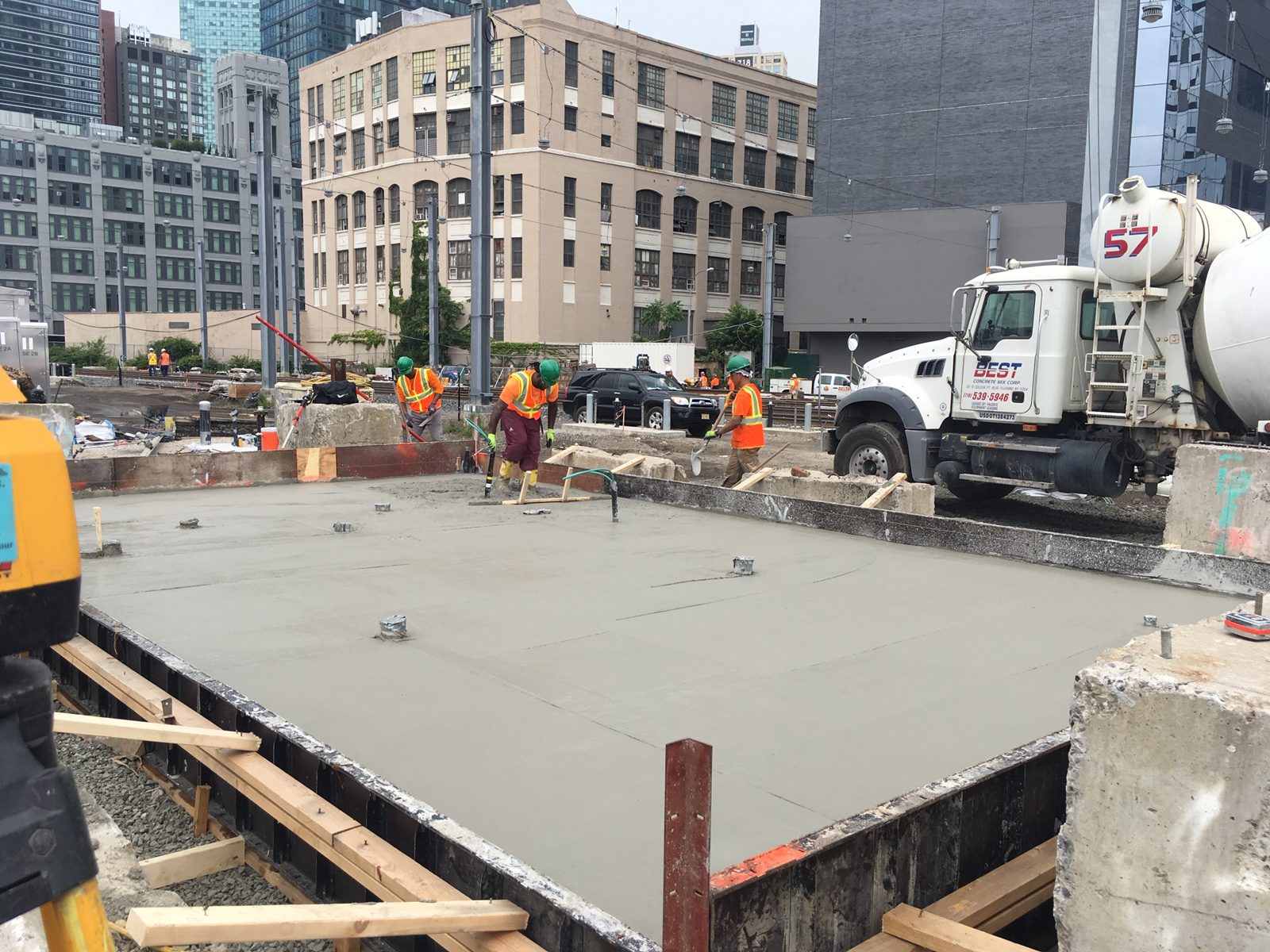
Owners comparing contractor bid comparison sheets side by side often focus on one number: the total. That's understandable, but it's also how budgets go sideways. A construction estimate explained properly is a document full of assumptions, and the assumptions matter as much as the price. Two estimates with the same bottom line can carry very different amounts of risk depending on what's included, what's excluded, and how contingency is handled. Here's how to actually read one.
How line items are organized
Most estimates break cost into divisions or trades — site work, concrete, structural steel, mechanical, electrical, finishes, and so on — each with labor, material, equipment, and subcontractor pricing rolled in. Reviewing line items rather than just the total tells you where the money is actually going and lets you compare bids trade by trade, which is far more revealing than comparing grand totals alone.
Allowances
An allowance is a placeholder dollar amount for a scope that isn't fully defined yet — light fixtures, finish flooring, or landscaping, for example, when the owner hasn't made a final selection. Allowances are normal and even useful, but they are estimates within the estimate. If your selections end up costing more than the allowance, the difference typically becomes a change order. Ask what assumptions each allowance is based on and whether it reflects a realistic market price for what you actually want.
Exclusions and assumptions
Every estimate has a list, sometimes long, of what is not included: permit fees, testing and inspections, utility connection fees, hazardous material abatement, or specific site conditions the estimate assumes to be true. This section is where owners get surprised most often, because an exclusion doesn't mean the cost disappears — it means someone else, usually the owner, is responsible for it. Read exclusions as carefully as the priced scope.
Contingency
Contingency is money set aside for the unknown — unforeseen site conditions, design coordination issues, or minor scope gaps discovered during construction. It is typically expressed as a percentage of the estimated cost, and the appropriate percentage depends on how far along the design is and how much the site has already been investigated. A design that's still evolving justifies a higher contingency; a fully detailed design with completed geotechnical work generally needs less. Ask whether contingency is owned by the contractor to manage internally or held and released by the owner, since that affects how it actually gets spent.
Unit price vs. lump sum
Lump sum pricing gives you one fixed number for a defined scope, which is straightforward but only as reliable as the scope definition behind it. Unit pricing, common in civil and site work, prices individual quantities — cubic yards of excavation, linear feet of pipe — which is useful when exact quantities aren't known until work is underway, but it means your final cost depends on actual quantities installed, not just the rate quoted. Estimated quantities on a unit-price contract are usually noted as approximate, so ask how large a variance from the estimate would trigger a conversation before work proceeds.
Why the lowest bid isn't always the cheapest
A low number built on thin allowances, aggressive exclusions, or an incomplete scope read isn't actually cheaper — it just defers cost to change orders later, when a contractor with less competitive pressure sets the price. Comparing bids requires normalizing scope first: matching allowances, exclusions, and assumptions across bidders so you're comparing the same project, not just the same total.
How change orders happen — and how to limit them
Construction change orders come from a handful of predictable sources: incomplete design documents, owner-directed changes, differing site conditions, and allowance overages. You can limit them by investing in complete design and geotechnical work before bidding, reviewing allowances against real market pricing, and choosing a contractor who documents assumptions clearly rather than leaving gaps that surface later as add-ons. Our construction management approach builds cost tracking and early constructability review into the process specifically to catch these issues before they become change orders.
A good estimate isn't the one with the lowest number — it's the one whose assumptions you actually understand and trust. If you'd like a second set of eyes on a bid you've received, or want an estimate built with allowances and exclusions spelled out clearly from the start, contact Vega Tower Ventures and we'll walk through it with you.