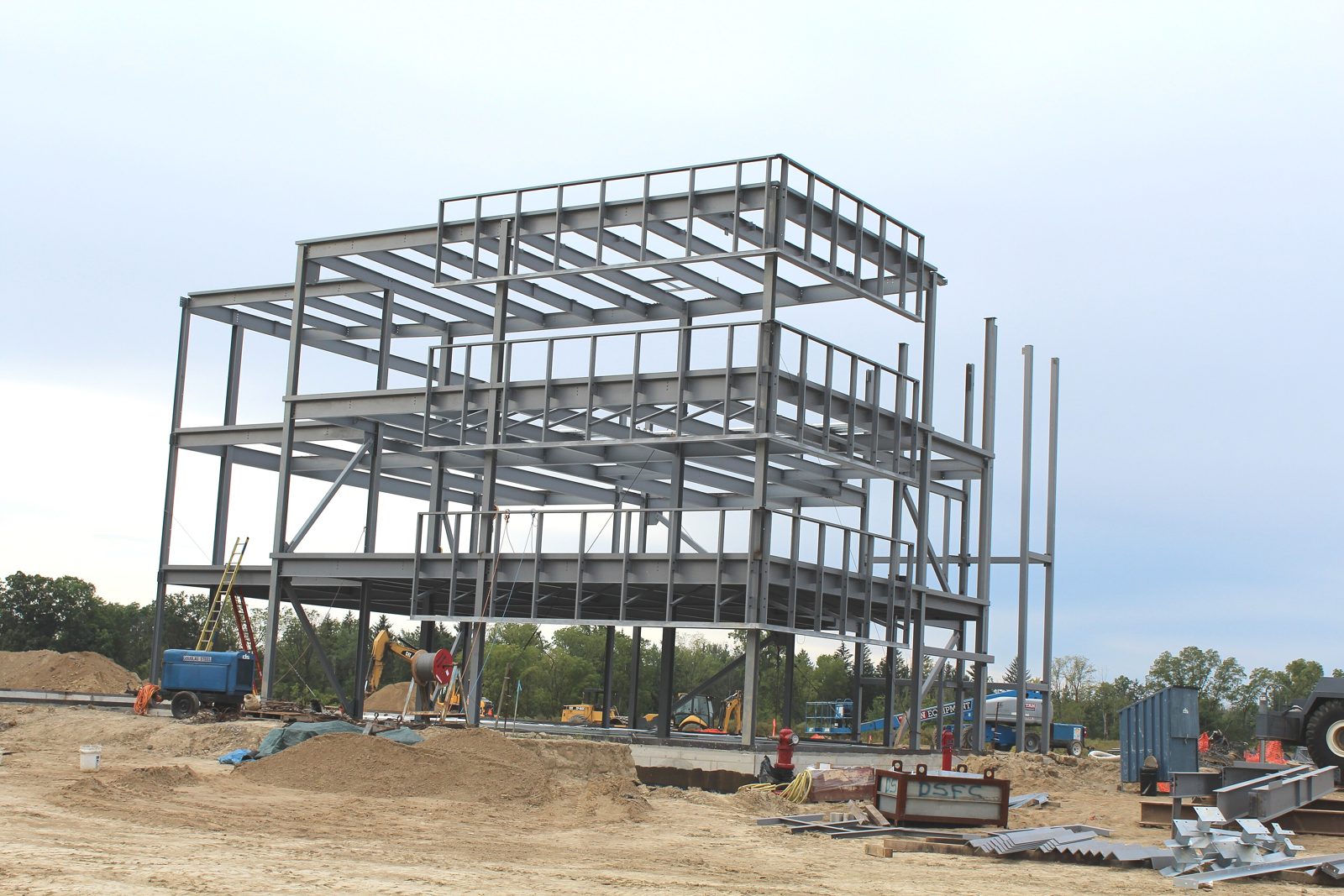
Before a single shovel goes into the ground, every owner has to make a decision that quietly controls the rest of the project: how will design and construction be organized, and who is responsible for what? The two dominant construction delivery methods in commercial and infrastructure work are design-bid-build and design-build, and the choice between them affects your budget certainty, your schedule, and how much risk you personally carry. Understanding the difference before you hire anyone is one of the most valuable things a property owner or developer can do.
What design-bid-build actually means
Design-bid-build is the traditional, linear model. An owner hires an architect or engineer to complete a full design package, that design goes out to competing contractors for bids, and the low (or best-value) bidder is awarded a construction contract. Design and construction are two separate contracts with two separate parties, and the owner sits in the middle coordinating between them.
The appeal is transparency. Because the design is complete before pricing happens, owners can compare apples-to-apples bids and know, with reasonable confidence, what the project will cost before construction starts. The tradeoff is time and, often, friction: if the design has gaps or conflicts, they surface during construction as requests for information or change orders, and the contractor who built the number may not have had any input on constructability during design.
What design-build actually means
A design-build contractor holds a single contract that covers both design and construction, either through an in-house design team or a design partner. The owner works with one entity from concept through completion, which means the people pricing the work are involved in shaping it from early on.
That single point of responsibility is the core advantage: fewer contract boundaries, faster resolution when a design decision affects cost, and the ability to fast-track a schedule by starting site work or early trade packages before the full design is finished. The tradeoff is that owners give up some of the head-to-head price competition that a fully designed bid set allows, and they need to trust their design-build contractor's cost estimating early, when the design is still taking shape.
Cost and schedule implications
Design-bid-build tends to produce a firmer number relative to a completed design, but the overall timeline from concept to occupancy is usually longer because design and bidding happen in full before construction begins. It can also carry more change-order risk if the design has errors or omissions, since the contractor bid strictly to the drawings and specifications in front of them.
Design-build projects typically compress the overall schedule because design and early construction activities can overlap, and cost surprises tied to constructability are caught earlier because the builder is at the table during design. The tradeoff is that early pricing is based on a less complete design, so the contract structure — guaranteed maximum price, target cost, or similar — matters as much as the delivery method itself.
When to choose which
- Choose design-bid-build when the scope is well-defined, public procurement rules require competitive low-bid selection, or you want a fully completed design before committing to a construction price.
- Choose design-build when schedule matters more than sequential price certainty, when the project benefits from early contractor input on constructability and cost, or when you want a single point of accountability instead of managing the handoff between designer and builder yourself.
- Consider a hybrid such as construction management at-risk when you want contractor input during design but still want competitively bid trade packages once scope is defined. See our construction management services for how that approach works in practice.
Questions to ask before you decide
- Is my scope, site, and program well enough defined to bid competitively, or would early contractor input change the design?
- Does my funding source or jurisdiction require a specific procurement method?
- How much schedule pressure am I under, and does overlapping design and construction actually help?
- Am I prepared to manage the design-architect-contractor relationship myself, or would I rather have one accountable party?
- How will cost overruns, errors, and omissions be handled under each contract structure?
There is no universally correct answer — the right delivery method depends on your project's complexity, your schedule, and how much coordination you want to manage directly. Vega Tower Ventures works both ways, bidding fully designed projects and serving as design-build contractor on projects where early collaboration saves owners time and money. If you're weighing the options for an upcoming project, talk to a builder before you finalize your approach, and we'll walk through what fits your scope, your site, and your timeline.